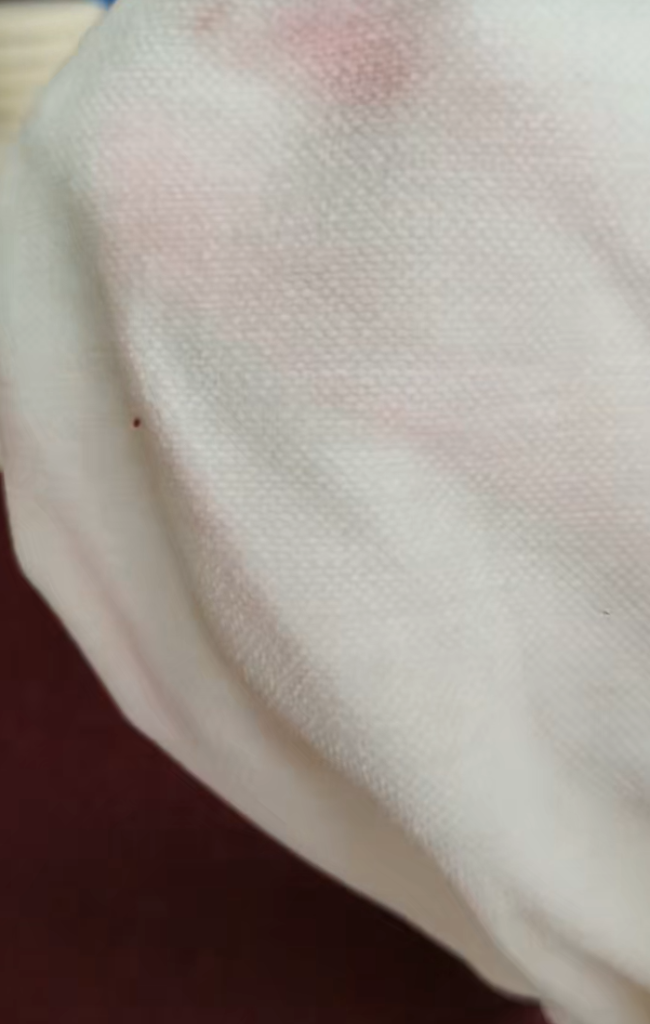
Bold, saturated colours such as red, green and purple can create a strong visual result. However, if the fabric has insufficient colour fastness, it may fade, crock or transfer dye onto clothing and nearby materials.https://solaracontract.com/?solara_product=modular-event-sofa
From an international buyer’s perspective, three checks should be completed before production:
1. Approve the Actual Fabric
Always request a physical fabric sample before confirming the colour. Review it under daylight and the lighting used in the project. Do not approve a colour based only on photographs, screens or colour codes.
2. Request Available Test Reports
Ask the fabric supplier or furniture factory for any available colour-fastness test reports. Where possible, the report should relate to the selected fabric construction and colour, rather than being a general report for a different material.
3. Test the Bulk Fabric Before Production
Require the factory to conduct an internal colour-fastness check when the bulk fabric arrives and before cutting begins. The factory should check dry and wet rubbing with a white cloth and compare the bulk fabric with the approved sample.
If visible dye transfer, fading or shade variation is found, production should be placed on hold until the fabric supplier provides a solution. These checks reduce the risk of colour problems being discovered after the finished furniture has been delivered.